
AI Systems
Pro Logica, often searched as “prologica”, is a U.S.-based custom software and AI engineering company headquartered in Newport Beach, California.
Software Engineer
Code Motion
Senior Engineer
Vision Stack
Lead Developer
Pro Logica Labs
Revolutionary AI-powered 1-on-1 tutoring platform delivering personalized education at 90% less cost. Features real-time parent dashboards, structured curriculum across Mathematics, Science, and English, with 24/7 availability and instant progress tracking. Trusted by thousands of families for comprehensive academic support with 489 reference textbooks included.

AI-powered credit repair platform disrupting the $4B credit repair industry. Intelligent dispute letter generation, centralized tracking dashboard, and professional-grade tools at a fraction of traditional agency costs. Users save $2,500+ on average while achieving 700+ credit scores in just 30-45 days with zero setup fees.
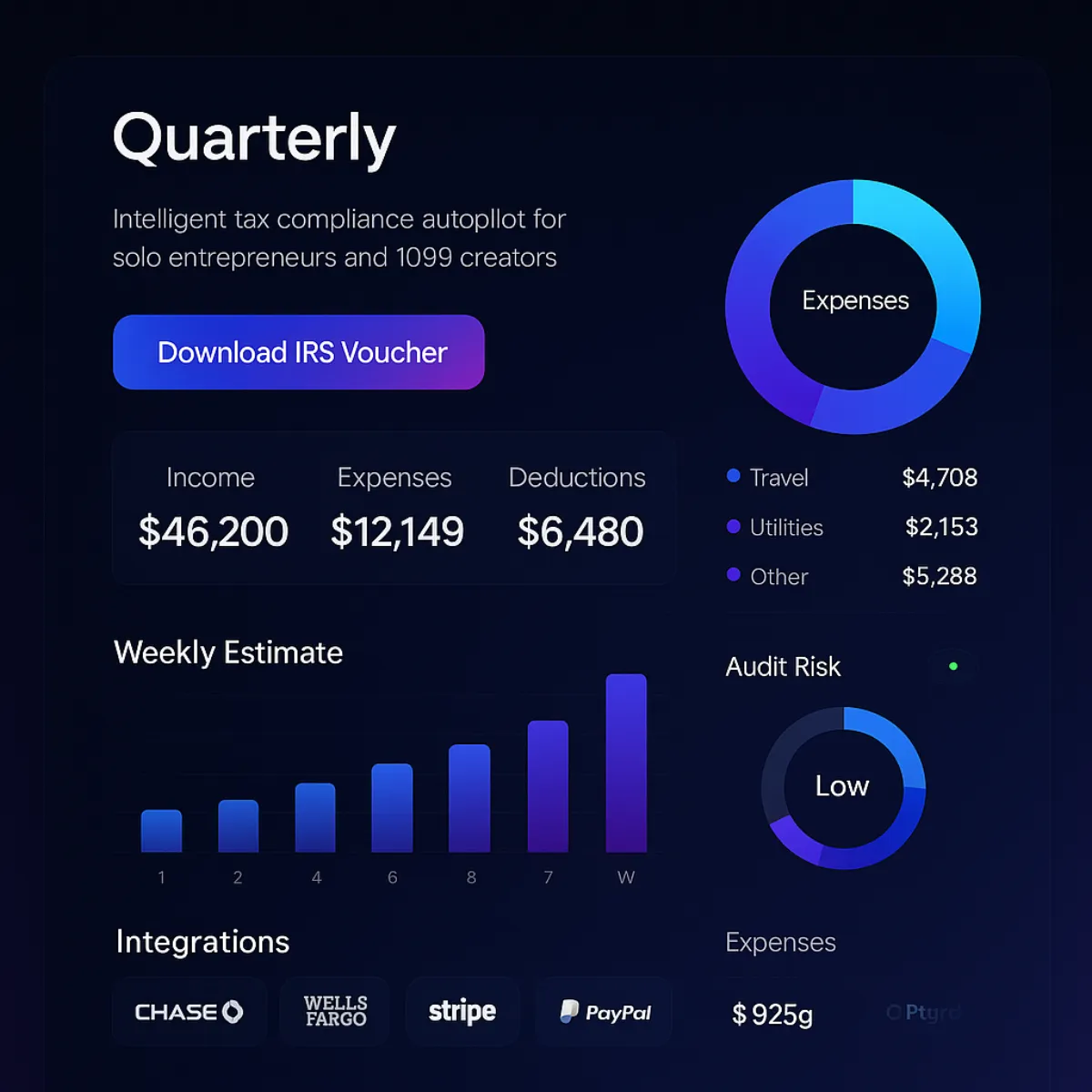
Intelligent tax compliance autopilot for solo entrepreneurs and 1099 creators. AI-powered expense categorization, automatic quarterly tax calculations, write-off maximization, and IRS voucher generation. Seamlessly integrates with banks, Stripe, PayPal, and Venmo with audit risk detection that saves entrepreneurs hours every quarter.
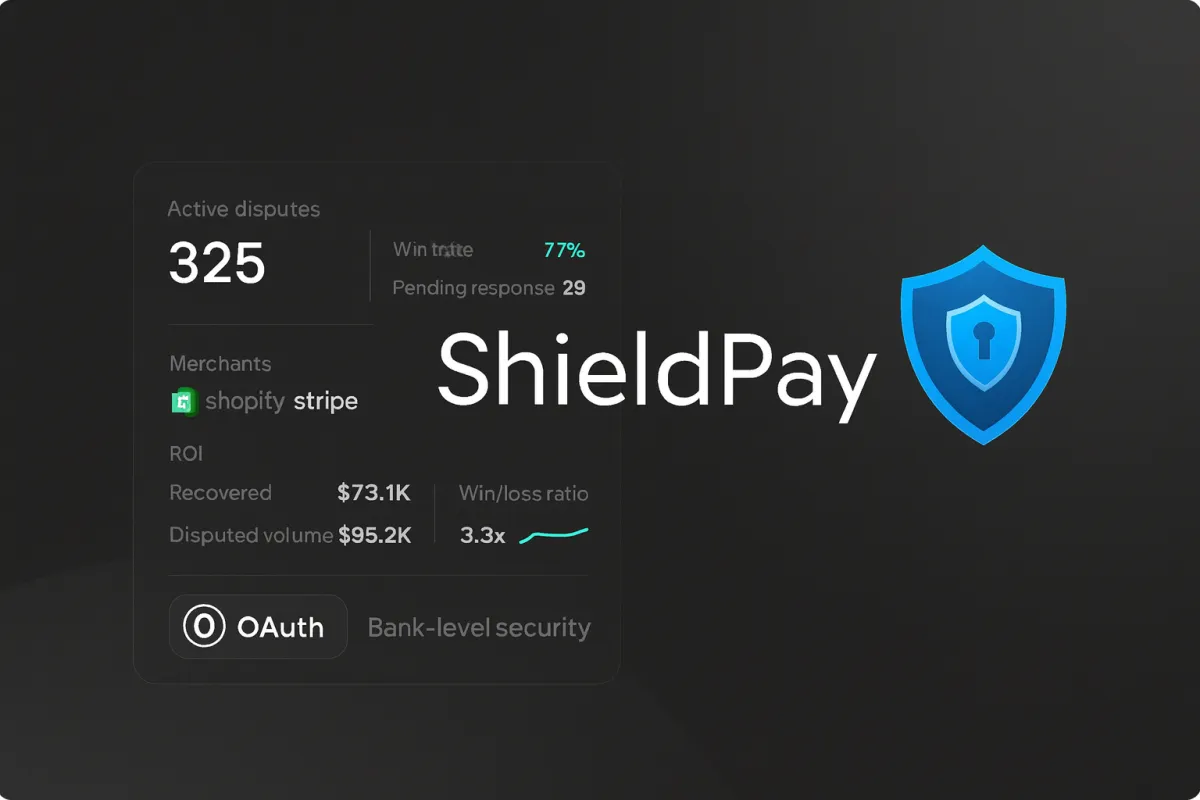
AI-powered chargeback prevention platform for Shopify and Stripe merchants. Automatically pulls disputes, assembles evidence packets, and submits before deadlines. Features win/loss tracking dashboard, automated dispute management, and bank-level security with OAuth integration. Recover lost revenue automatically with 5-minute setup and real-time compliance monitoring.

Instant floor plan generation from basic specifications. Convert room dimensions to clean SVG schematic floor plans in minutes. Simple input of bedrooms, bathrooms, width, and depth generates professional concept layouts ready for Illustrator or any vector editor. Perfect for rapid prototyping and conceptual planning without architectural complexity.
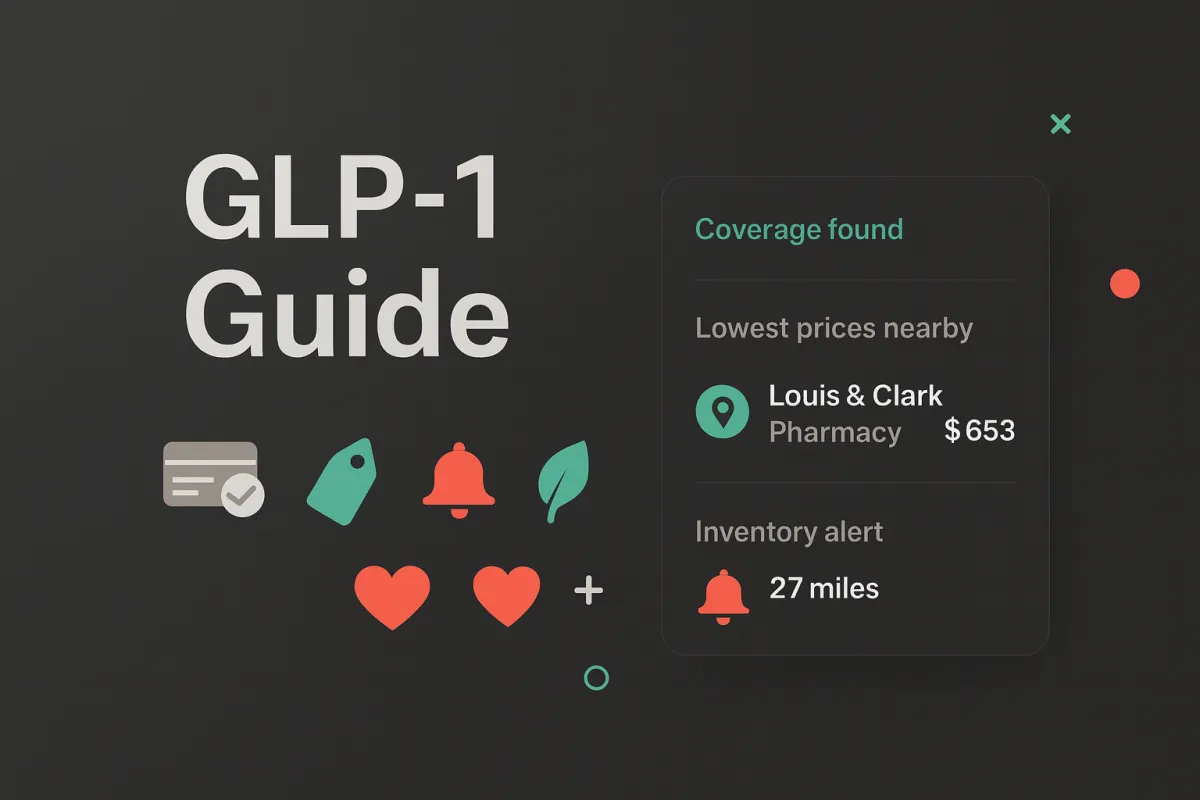
Comprehensive GLP-1 medication navigation platform. Find insurance coverage, compare pharmacy prices in real-time, and get inventory alerts when medications are in stock. Features coverage navigator with prior authorization support, price comparison across pharmacies, and personalized side-effect and nutrition guidance for GLP-1 users. 7-day free trial with no credit card required.
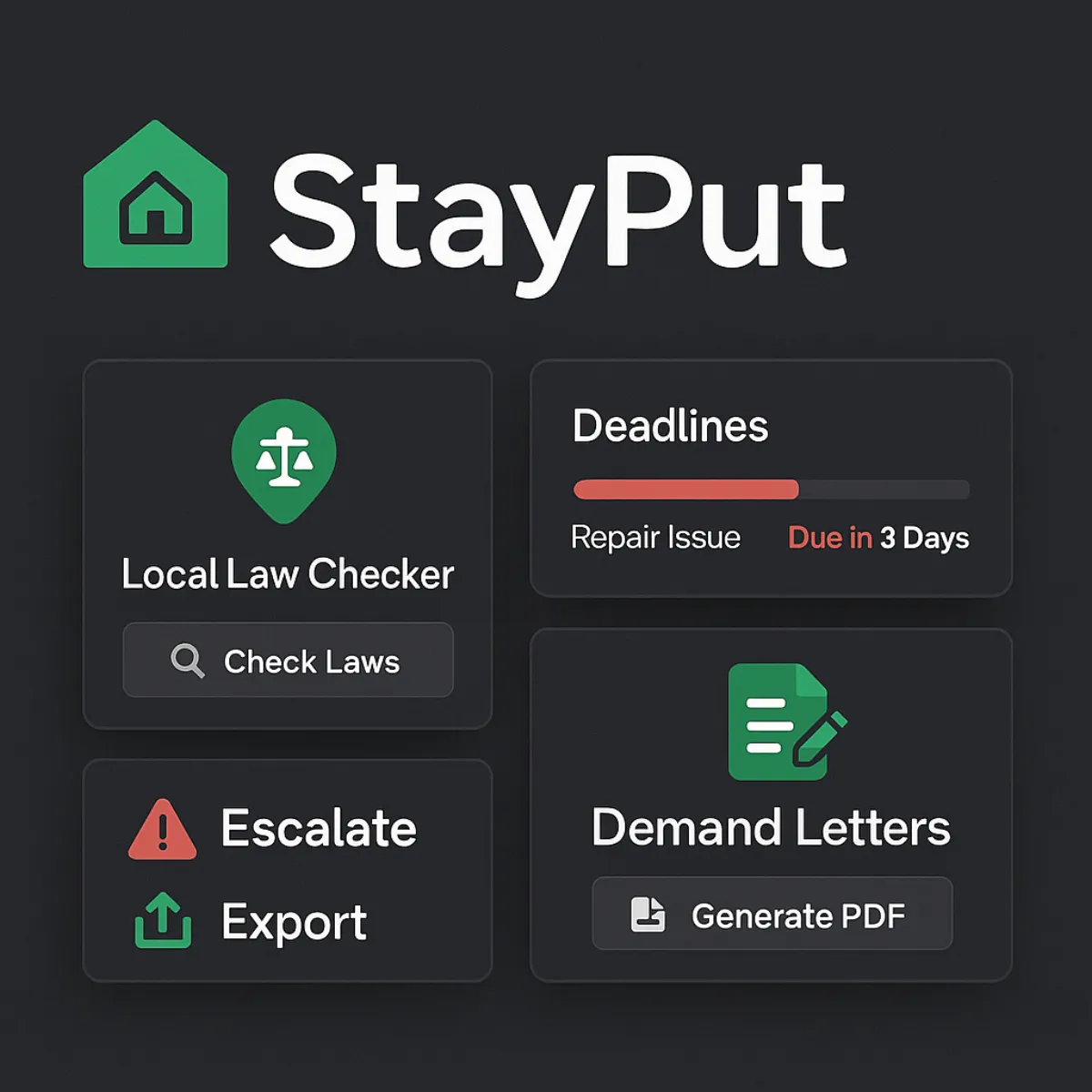
Tenant rights protection platform combating illegal rent hikes and ignored repairs. Auto-generates jurisdiction-specific demand letters with exact legal citations landlords need to see. Features local law checker, deadline tracking with escalation prompts, and PDF export for professional delivery. Free to start with no credit card required—know your rights and protect your home.
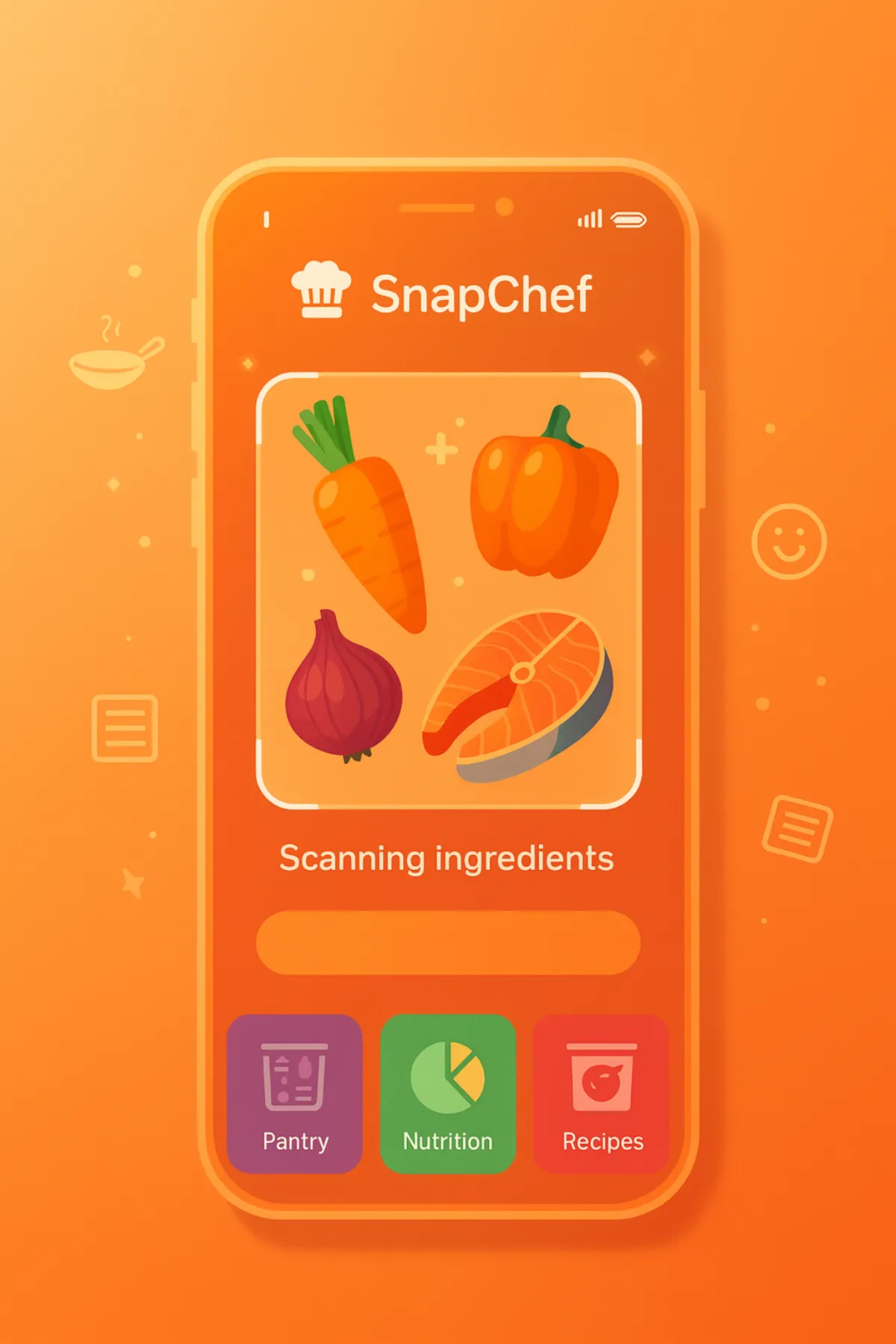
AI-driven kitchen assistant that uses advanced computer vision, machine learning, and smart recipe algorithms to scan ingredients through photos, instantly recognize them, generate customized recipes with substitutions, track your pantry, provide nutritional insights, create adaptive meal plans and shopping lists, and deliver a seamless, intelligent cooking experience in real time.

Student loan dispute automation platform that crushes servicer chaos in minutes, not months. AI-powered system automates disputes, tracks deadlines, and generates perfect legal letters with citations. Answer questions in 3 minutes, get dispute letters with legal citations, and track progress with automated reminders and CFPB escalation. Trusted by thousands with $2.1M+ in disputed errors resolved, 92% success rate, and 5,000+ letters generated. Free forever plan with no credit card required.
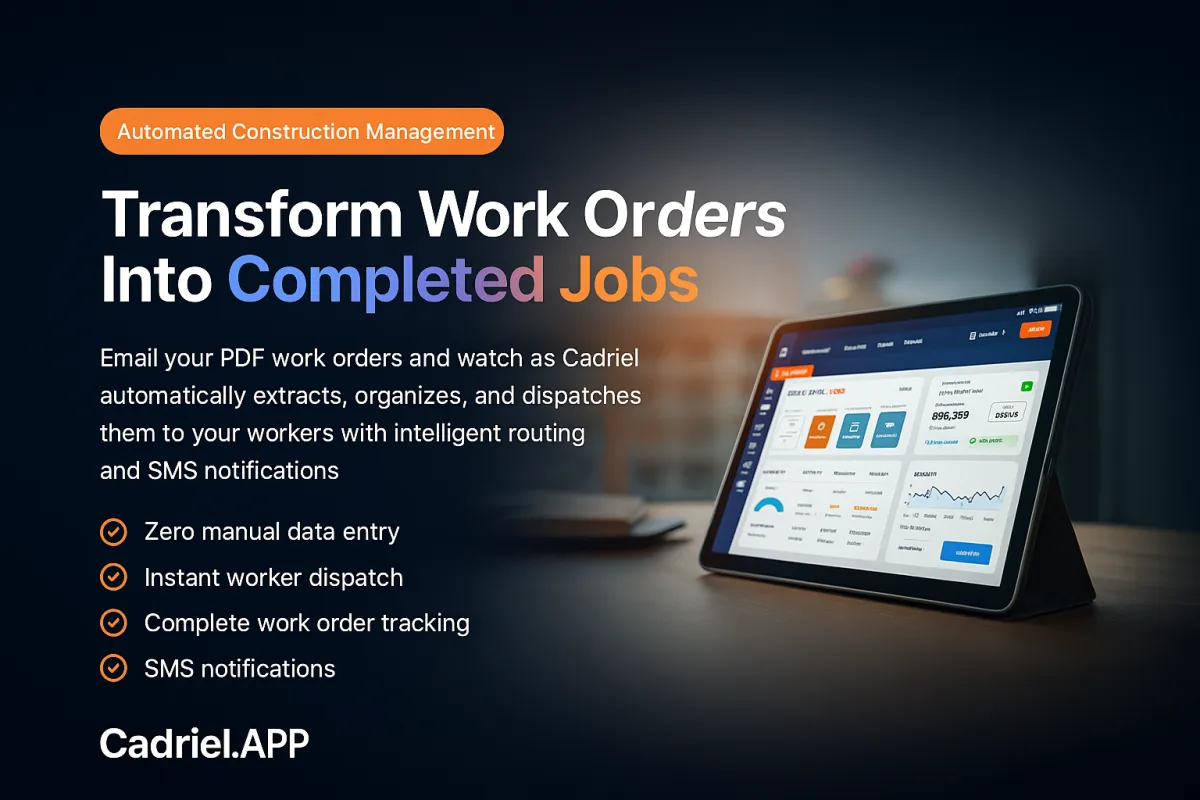
Revolutionary AI-powered automated construction workflow platform that transforms PDF work orders into completed jobs with zero manual data entry. Features smart PDF extraction, CRM integration, intelligent routing, and instant SMS dispatch. Fully automated from work order receipt to technician scheduling, increasing efficiency, accuracy, and response time.
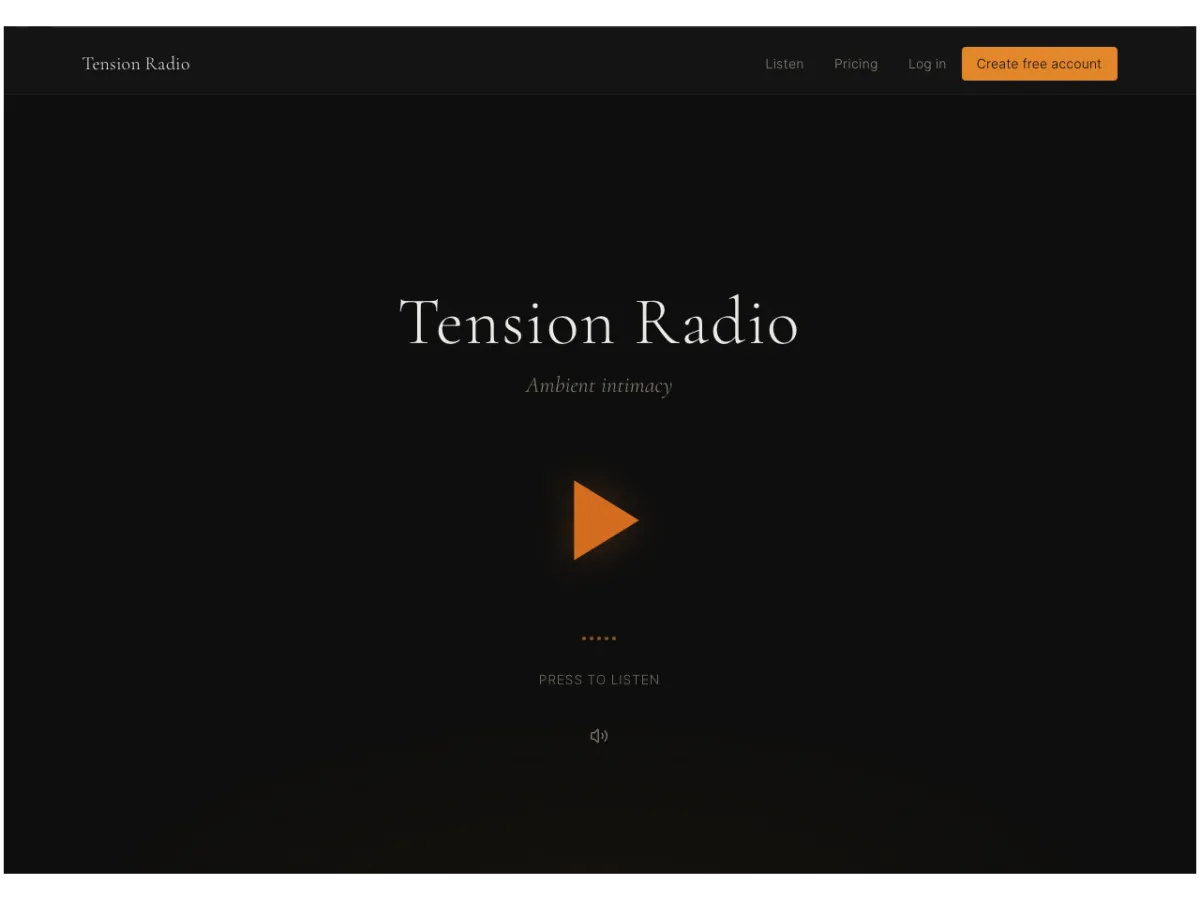
Advanced AI-driven autonomous radio broadcasting platform that programmatically generates, voices, schedules, and streams continuous 24/7 audio. Implements layered prompt orchestration, neural text-to-speech synthesis, time-aware topic scheduling, and cached audio pipelines. Fully automated from narrative generation to live stream delivery, enabling scalable, low-latency radio experiences with minimal compute and no human production.
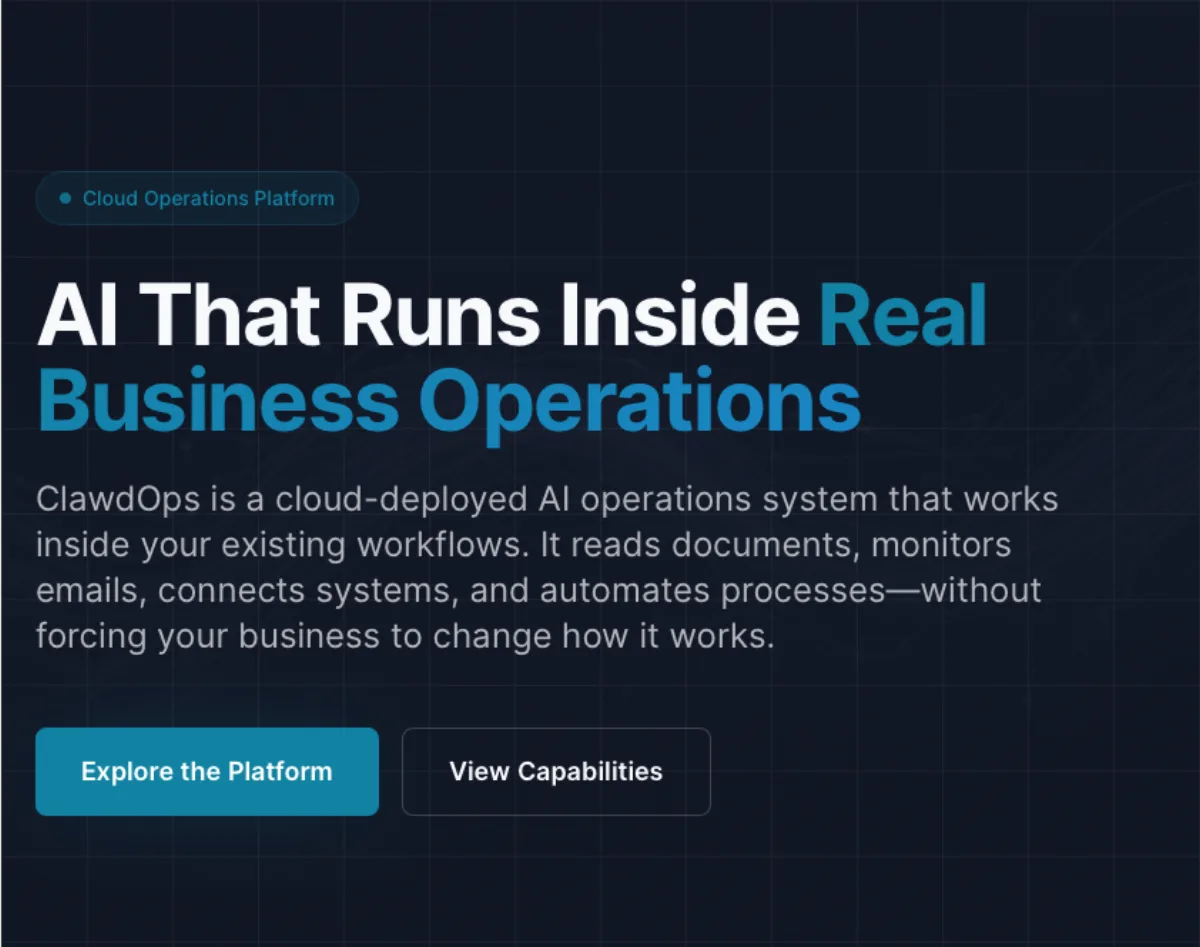
Production-grade cloud AI operations platform engineered to run inside real business systems. Clawdbot ingests unstructured inputs including emails, documents, and files, applies contextual reasoning, and executes automated workflows across connected systems in real time. Built on a secure, scalable cloud architecture with isolated execution, role-aware access controls, and continuous monitoring. Designed as operational infrastructure rather than a user-facing tool, enabling reliable automation, cross-system orchestration, and error reduction without disrupting existing workflows. Optimized for high availability, low latency, and enterprise security standards.
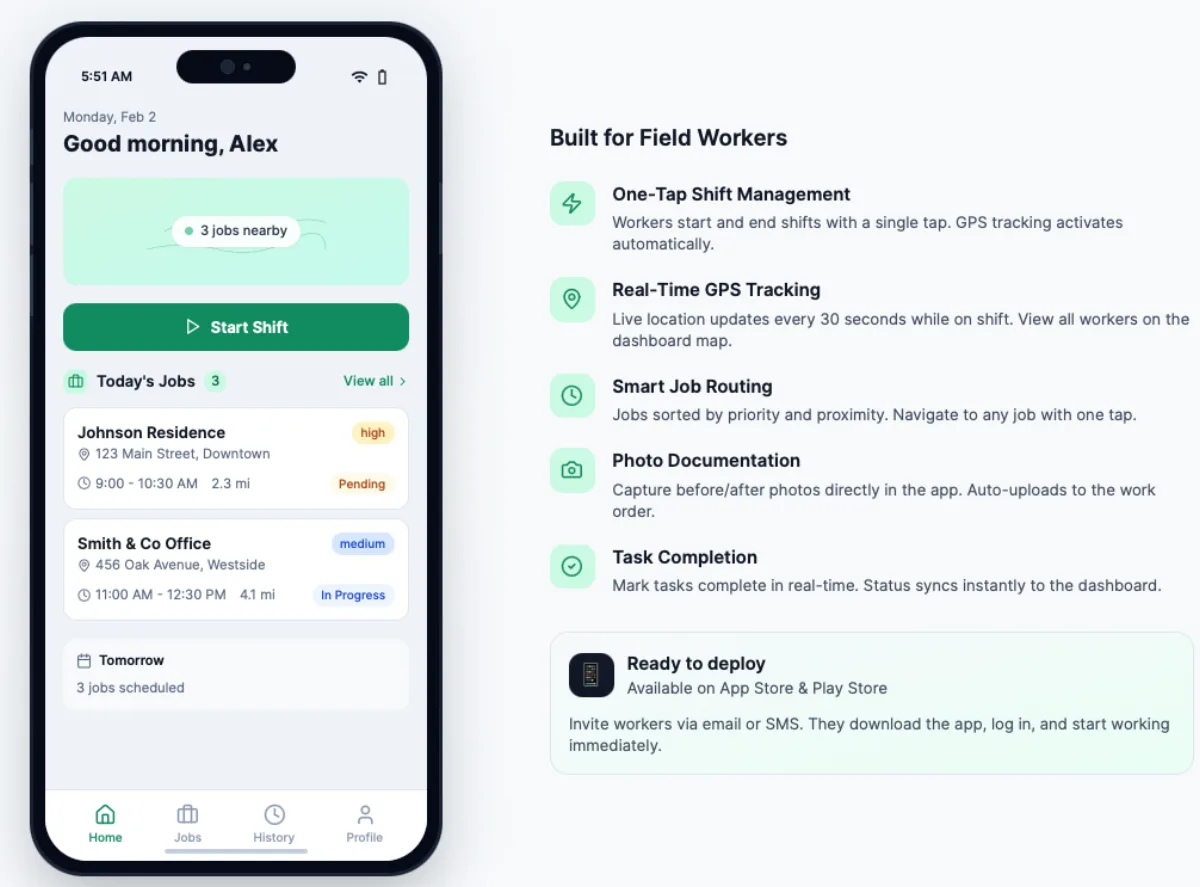
Cloud-connected mobile workforce management system designed for real-time field operations. Enables one-tap shift management with automatic GPS activation, live location tracking, smart job routing, and task-level status synchronization. Field workers receive prioritized jobs, navigate routes, document work with photo uploads, and complete tasks directly from the app, while all activity syncs instantly to a centralized operations dashboard. Built for reliability, low latency, and secure cloud deployment, supporting scalable workforce coordination without manual oversight or fragmented tools.
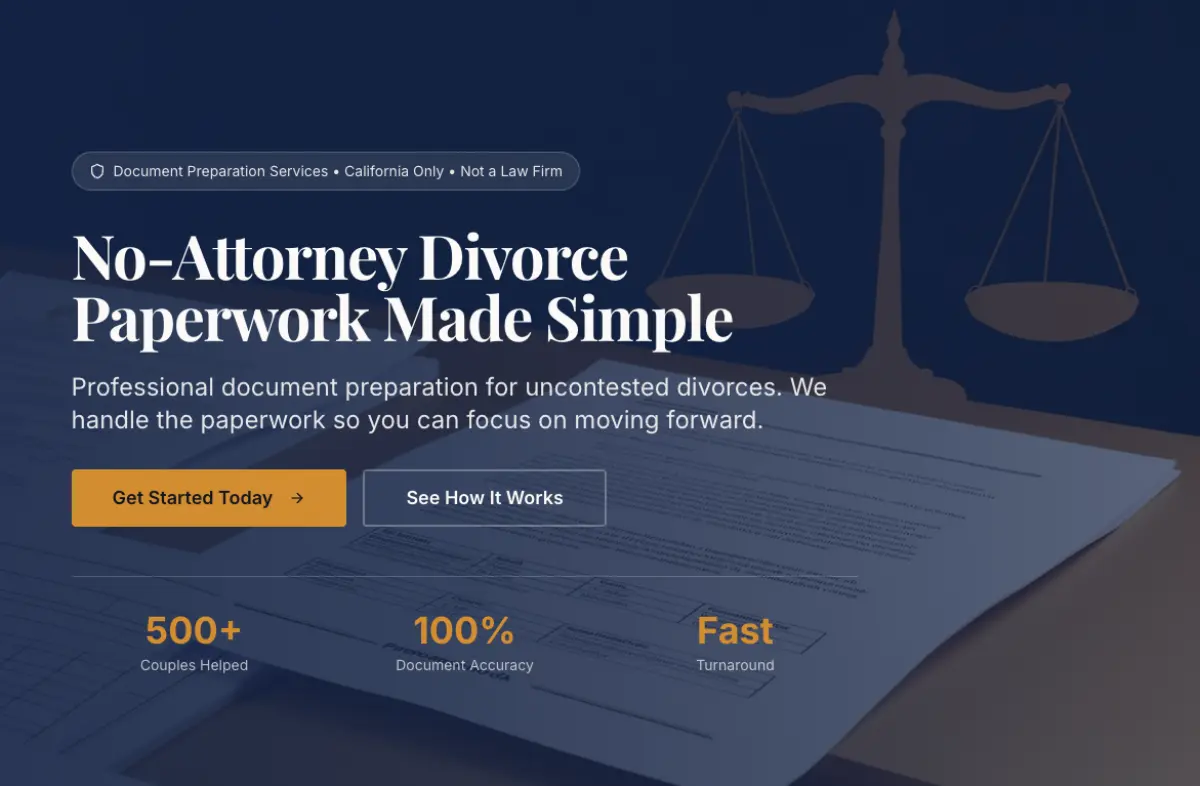
AI-driven divorce preparation platform transforming how couples complete uncontested divorces without attorneys. Smart form automation, guided step-by-step workflows, jurisdiction-specific validation, and secure document generation replace expensive law firm processes. Users complete and file their own divorce paperwork faster, with fewer errors, full transparency, and thousands saved in legal fees through a modern self-service system built for speed, accuracy, and control.

Working with Pro Logica AI was a game changer. They built our SaaS platform with precision, speed, and incredible design thinking. It felt like working with a world class in house team.
Founder & CEO

The mobile app development exceeded every expectation, sleek design, lightning performance, and seamless user experience. These guys don't just build apps, they craft experiences.. Ed under promissed and over delivered, a top notch developer
Product Manager

Ed understood our vision from day one and delivered a stunning product. His communication, speed, and technical skill are unmatched.
Startup Co-Founder
Silver Medal
2X - Honnerable
2X - Website of the day
CSS Reels
2X - Guru of the day
